
Designed by Samsung in partnership with AT&T FirstNet
FirstNet Push-to-talk
Exploratory research
Uncovering critical pain points in public safety communication to improve designer understanding and inform feature redesign.
Role: Lead UX researcher
Duration: 3 months
Industry: Public safety
Context
What is FirstNet Push-to-talk (FNPTT)?
A communication tool designed to facilitate efficient, reliable, and secure mission critical communications among public safety professionals.
It goes beyond traditional radio communication, enabling smartphones to mimic push-to-talk voice communication that is available with traditional 2-way radios while also offering messaging, video, and file sharing capabilities.
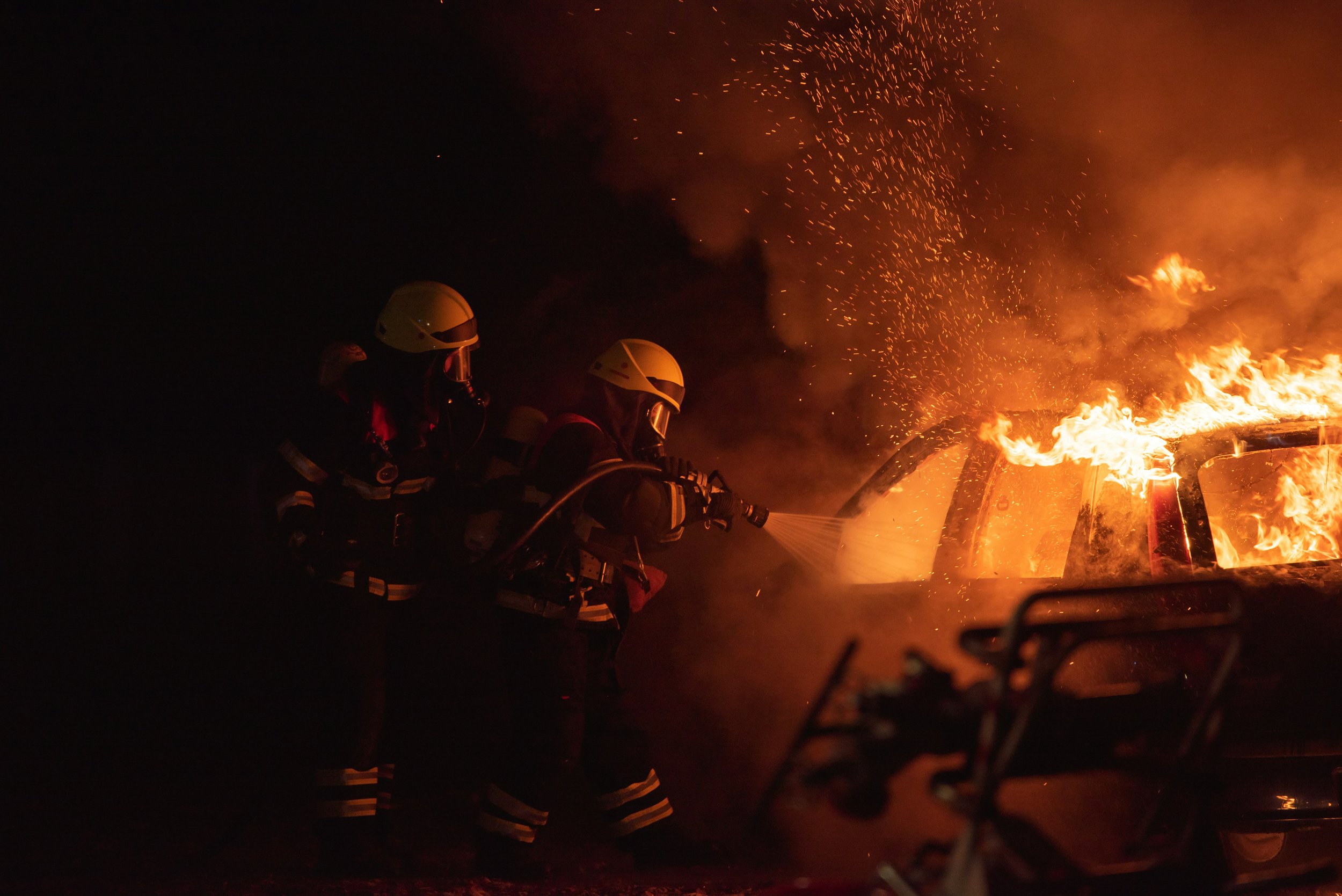
When it comes to saving lives, effective communication can be the difference between life and death.
We found ourselves disconnected from users of our app. This research aimed to bridge that gap.
Problem
With our secondary research, we had a surface level understanding of how target users operate, but lacked firsthand knowledge about how first responders communicate in their day-to-day. In order to develop a solution that addressed their daily needs, we needed a deeper understanding of their interactions.
01
Understanding of operations
From secondary research, we quickly learned that firefighters adhere to a strict hierarchy when communicating, so our first goal was to understand how their communication structure worked so we could gain insight into how they interact with each other.
What we sought to uncover
02
Current communication challenges
We wanted to understand what worked well with their current communication systems and what kind of challenges they faced in their day-to-day so we could identify gaps in their current process as well potential areas of improvement in our solution.
Approach
We immersed ourselves in the daily operations of firefighters.
As we did not have actual FNPTT users available, we reached out to potential target users, contacting local public safety organizations (Police, Fire, Medical services) until a local Fire station agreed to assist in our research.
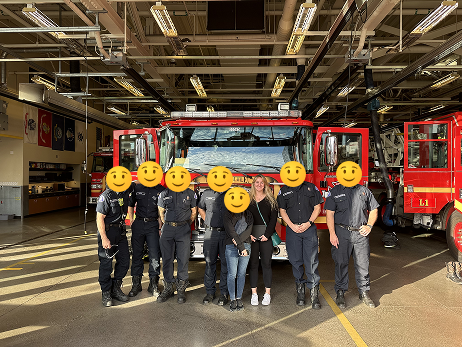
With limited time and resources, we wanted to make the most of our time with the firefighters. With this in mind, we used 3 methods to help us understand firefighters, and in turn, first responders, better.
-
The focus group helped us gain a foundational understanding of firefighters’ organization structure, day-to-day workflows, and experience of their current communication tools
-
We dove deeper by investigating the application of their communication methods during real-world incidents.
-
Now that we learned the theory, we wanted to observe firefighter communication in practice, mapping their end-to-end journey including what’s being communicated, when, and to whom.
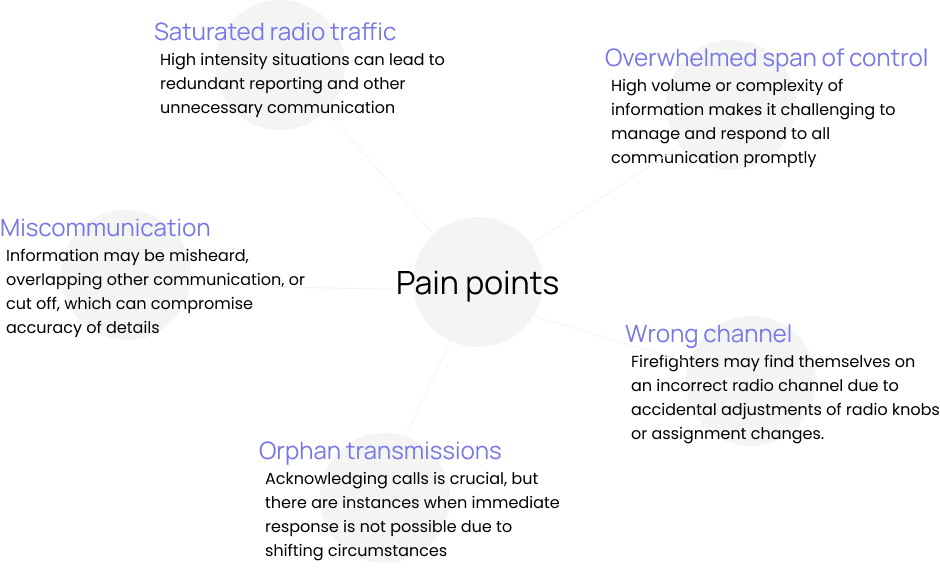
Pain points
Highlighting the 5 primary challenges in first responder communication
Insights
Situational awareness is critical
However, verbal communication via radios alone can be limiting because people perceive and understand information differently.
Firefighters and dispatchers often find themselves asking following up questions to develop a clearer picture of the situation which can delay response time.
What we learned
Emotion creates complexity
Higher intensity of emotion caused by stressful, everchanging circumstances can result in redundancy of communication.
The frequency in which lower priority information is shared contributes to over-saturation of radio channels and may overshadow more important communication, leading to information being missed.
Organization promotes efficiency
Standardization and procedure promotes quick information sharing and processing which allows firefighters to obtain the most important information from a large volume of communication.